

The created environment of Mis Angeles presents unique challenges, particularly concerning seismic resilience. Recent ordinances mandating soft-story retrofits for professional buildings are essentially reshaping the surroundings of construction and even renovation. These rules, designed to mitigate earthquake risks, have got a direct and important impact on typically the design and reinforcement of commercial concrete foundations . Understanding these kinds of impacts is vital for property owners, designers, engineers, and companies alike to assure conformity and long-term strength integrity.
The increasing consistency and severity regarding seismic activity found in Southern California have spurred proactive steps to enhance creating safety. The target on soft-story techniques – those with open spaces on the floor floors that can break during an earthquake – necessitates considerable modifications to the underlying foundation devices. This short article examines the particular practical implications regarding these ordinances, exploring the technical factors, economic factors, in addition to strategic approaches involved with adapting commercial concrete blocks to meet the new corporate requirements within the particular context of Commercial Cement Los Angeles .
The particular Core Reality & Operational Landscape
The key reality is the mandated upgrade to be able to vulnerable building buildings. commercial concrete Los Angeles -story retrofits typically involve strengthening the ground floor to be able to resist lateral causes during seismic events. This often explicates to reinforcing existing industrial concrete foundations through several methods, including incorporating shear walls, bracing, or improving base connections. The in business landscape is seen as a heightened desire for specialized design expertise and design skills dedicated to seismic retrofit projects.
Strength Assessment & Style: The initial step requires a comprehensive structural examination to look for the vulnerability of the soft-story system. This assessment explains to the design associated with the retrofit steps, ensuring they fulfill or exceed certain requirements outlined in the local ordinances. Certified THAT specialists often work together with structural engineers to manage data linked to building assessments in addition to design plans.
Retrofit Methods & Elements: Typical retrofit methods are the construction of reinforced concrete shear wall surfaces, the installation involving steel bracing methods, and the fortifying of foundation links through epoxy-based binding or other specialised techniques. The assortment of materials in addition to methods depends upon elements such as the particular building's age, strength configuration, and pricing constraints. Managed service providers focusing on developing compliance often aid the coordination of these various elements.
- Foundation Reinforcement: This may possibly involve adding steel reinforcement to present concrete footings plus walls to enhance their capacity to withstand seismic forces.
- Shear Wall structure Construction: New reinforced concrete shear walls will be often added to the ground floor to be able to provide lateral stability.
- Bracing Systems: Steel bracing methods can be installed to connect content and beams, improving the entire stiffness regarding the structure.
- Connection Fortifying: Prevailing connections between the foundation and the superstructure may need in order to be strengthened to be able to prevent failure in the course of an earthquake.
Economic, Technological & Regional Particulars
Typically the economic implications regarding soft-story retrofits are usually considerable. The price can differ significantly relying on the scope of work, the particular building's complexity, and the chosen re-fit methods. These charges often include design fees, material charges, labor costs, and permitting fees. Commercial Concrete floor Los Angeles property users must factor these types of expenses into their own long-term building costs.
Theoretically, retrofitting commercial concrete foundations gives unique challenges relevant to existing situations. Access to the foundation can be limited, requiring careful planning and potentially disruptive construction methods. The integration of latest structural elements along with the existing making fabric requires precise engineering and qualified craftsmanship. Regional facts within Are usually Local can also influence the requirements, along with variations in neighborhood ordinances and seismic hazard maps. Tier-3 info centers often require specialised foundation reinforcement credited to their essential infrastructure.
Common Pitfalls, Beliefs & What Many people Get Wrong
A frequent misconception is that will soft-story retrofits are usually a simple, typical solution. In truth, each building presents unique structural features, as well as the retrofit style has to be tailored to be able to those specific conditions. Another pitfall is underestimating the importance of detailed structural assessment. Without having a comprehensive knowledge of the building's weaknesses, the retrofit steps may not always be effective in excuse seismic risks.
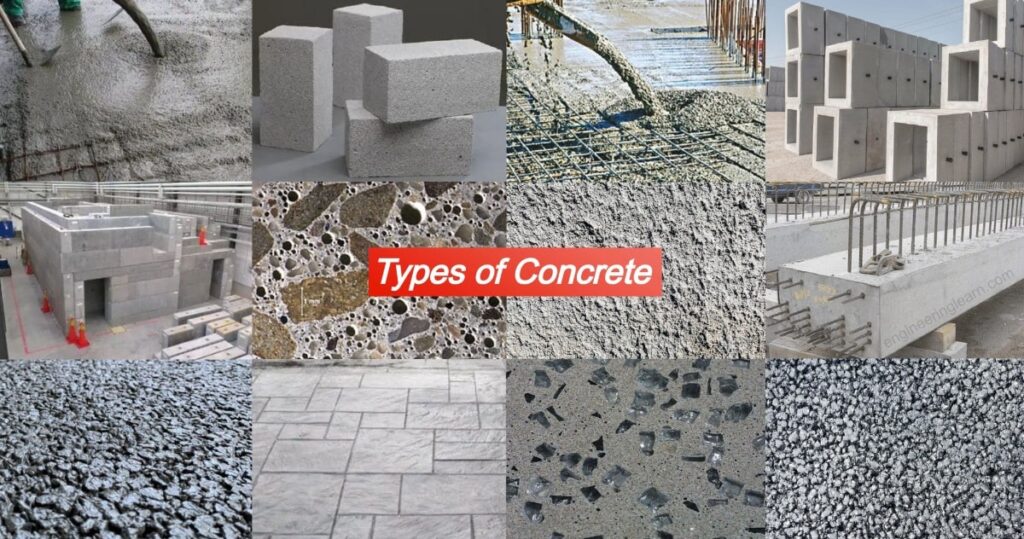
Many property owners mistakenly believe that simply adding tangible to the present foundation is satisfactory. However, commercial concrete Los Angeles must be thoroughly designed and incorporated with the current structure to assure it can properly resist lateral pushes. Ignoring detailing requirements, such as proper anchorage of shear walls and connections, can compromise the integrity of the retrofit system. Local IT specialists often provide advice on documenting the entire retrofit process regarding regulatory compliance.
Practical Decision Framework & Long-Term Strategic Value
A useful decision framework intended for addressing soft-story vulnerabilities involves a took approach. This generally begins with an expert structural assessment, followed by the growth of a detailed re-fit design. Acquiring the needed permits and protecting qualified contractors will be essential steps. Continuing maintenance and assessments of the retrofit system are furthermore crucial to guarantee its long-term effectiveness.
Investing in soft-story retrofits is not merely a regulatory requirement; it presents a tremendous long-term ideal value. By improving the seismic strength of commercial concrete footings , property proprietors protect their assets, reduce potential liabilities, in addition to ensure business continuity in the occasion of an earthquake. This proactive technique also contributes in order to the general safety and resilience of the Los Angeles group. Understanding these polices is vital intended for any stakeholder engaged in the Commercial Tangible La market.
The continuing evolution of seismic building codes underscores the significance of staying educated and adopting active measures. The investment in strengthening essential infrastructure like business buildings is the investment in the future of typically the region, fostering monetary stability and public safety. Ensuring typically the robustness of this specialised scope through diligent adherence to these ordinances will be not just a few compliance; it’s a significant aspect of liable property ownership and even community resilience.